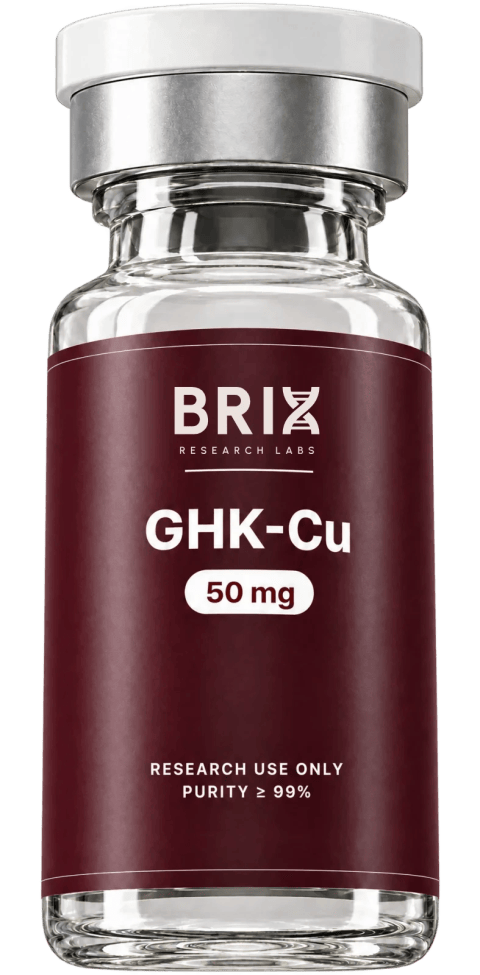
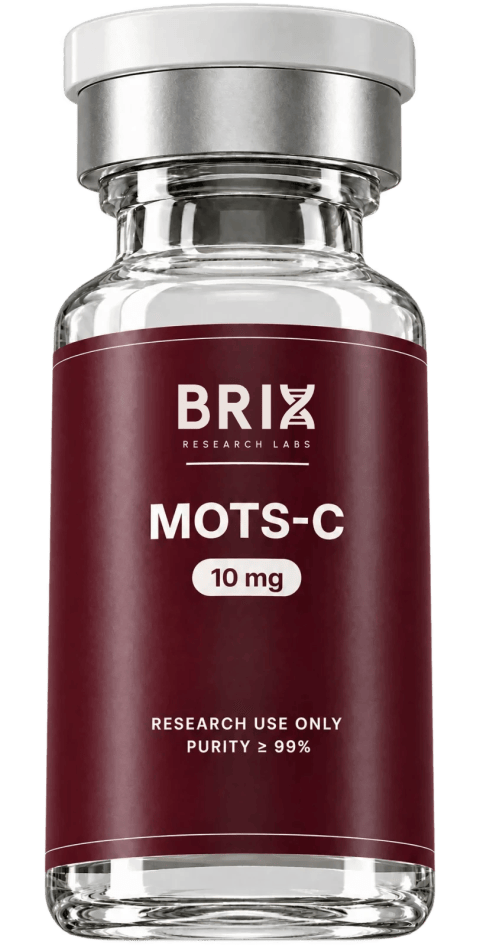
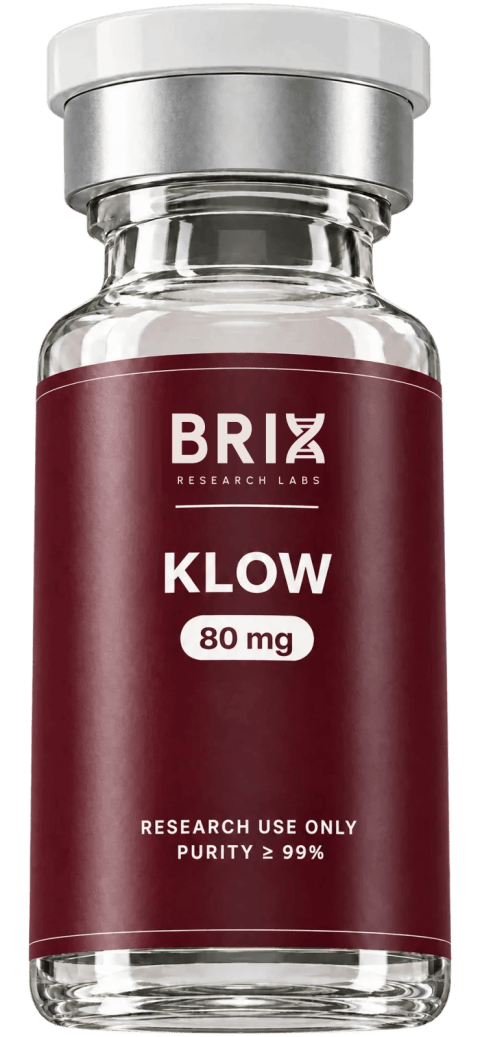
A Certificate of Analysis, or COA, is the report a testing laboratory issues after it tests a specific batch of a compound. It is the best way to know what is actually in a vial before you use it in research. This guide walks through every part of a typical COA, shows how to match it to your vial and lists the red flags that mean a certificate should not be trusted.
What a COA is
A COA is a signed record of the tests a lab ran on one lot (one production batch) and the results it found. A good COA answers four questions:
- Is it the right compound? (identity)
- How pure is it? (purity)
- How much is in the vial? (content)
- Who tested it, and when? (the lab, dates and signature)
A COA applies only to the lot it names. A certificate for a different lot, even of the same compound, tells you nothing about your vial.
The parts of a COA
1. The header
The top of the report identifies the lab and the sample. Look for:
- Laboratory name and contact details. You should be able to look the lab up and reach it.
- Accreditation. Many labs list ISO/IEC 17025, the international standard for testing-lab competence, often with a certificate number.
- Report or sample number. The lab’s own tracking number for the test.
- Lot number. The batch the sample came from. This is the number you will match to your vial.
- Dates. When the sample was received and when testing was finished.
2. The sample description
This names the compound, the labeled amount per vial (for example, 10 mg) and how the sample looked when it arrived, such as “white lyophilized powder.”
3. The results table
This is the heart of the COA. Each row is one test, usually with these columns:
| Column | What it tells you |
|---|---|
| Test | What was measured, such as purity or identity |
| Method | How it was measured, such as HPLC or mass spectrometry |
| Specification | The result needed to pass, such as “≥ 99.0%” |
| Result | What the lab actually found |
| Status | Pass, fail or “reported” for tests without a limit |
4. Signatures
The analyst who ran the tests and a reviewer or lab manager usually sign and date the report. An unsigned COA is a draft, not a certificate.
The tests you will see most often
- Purity (HPLC). The percentage of the sample that is the target compound, based on how the sample separates in a chromatography column. Look for the percentage and, ideally, the chromatogram itself. Our guide to HPLC purity explains this number in detail.
- Identity (mass spectrometry). The lab weighs the molecules and compares the measured mass to the expected mass. The two should agree closely. A result that just says “conforms” with no numbers tells you less than one that shows both values.
- Content or quantity. How much compound is in the vial, in milligrams, compared to the label.
- Appearance. Color and form. Most compounds are white powders; copper-containing ones such as GHK-Cu are blue.
- Endotoxin. Measures bacterial endotoxins, usually by the LAL method, reported in endotoxin units (EU) per mg.
- Water content. Often measured by Karl Fischer titration. Freeze-dried powders still hold a small amount of water.
Purity is not the same as content
This trips up a lot of people. A purity of 99% means that 99% of what HPLC can detect is the target compound. It does not mean that 99% of the powder’s weight is the compound. Freeze-dried powders also contain counter-ions (such as acetate) left from production and a little water, which HPLC purity does not count. That is why a good COA reports purity and content as separate results.
How to check a COA against your vial, step by step
- Find the lot number on your vial or its label.
- Find the COA for that exact lot. At Brix, search the lot number in our COA Library.
- Check the compound name and amount match the label.
- Check the dates. Testing should be recent and should not be dated before the lot was made.
- Read the purity result and confirm it meets the stated specification.
- Read the identity result. The measured mass should match the expected mass.
- Look for the lab’s name, accreditation and signature.
Red flags
- No lot number, or a lot number that does not match your vial
- The same certificate used for every lot or every compound
- A purity of exactly 100.0%, which real testing almost never produces
- Identity listed as “pass” with no measured mass
- No lab name, or a lab you cannot find or contact
- No signature or date
- Text or numbers that look edited, blurry or pasted in
How Brix handles COAs
Every lot Brix sells is tested by an independent U.S. laboratory before release. Each lot goes through seven quality checks, including purity by HPLC and identity, and is released only at 99% purity or higher. The signed certificate for every lot is posted in our COA Library, searchable by the lot number printed on the vial. If a product ever does not match its COA, email support@brixresearchlabs.com within 14 days of delivery with your order and lot numbers.
Every lot, every compound, matched by the lot number on your vial.
Frequently asked questions
What is a Certificate of Analysis?
A Certificate of Analysis (COA) is a signed report from a testing laboratory that lists the tests run on one specific lot of a compound and the results, including identity, purity and content.
What does HPLC purity mean on a COA?
It is the percentage of the material detected by high-performance liquid chromatography that is the target compound. A result of 99% means 99% of the detected signal comes from the target compound.
How do I match a COA to my vial?
Find the lot number printed on the vial or label and look for a COA with the same lot number. At Brix, you can search any lot number in the COA Library.
Is 99% purity the same as 99% content?
No. Purity measures how much of the detected material is the target compound. Content measures how much compound is actually in the vial by weight, which is lower because freeze-dried powders also contain counter-ions and some water.
What is ISO/IEC 17025?
It is the international standard that testing and calibration laboratories are accredited against to show they are technically competent and produce reliable results.
Brix Research Labs compounds are for laboratory research use only. Not for human or animal consumption.